19 questions and answers covering size, use, technical checks and quotations.
How do I choose a garden hose size?›
A 1/2″ hose may suit shorter, typical home and garden runs; 3/4″ and 1″ options can be considered for higher flow or longer runs. Check the tap, connector and spray gun sizes before ordering.
How do braided and thermo-rubber hoses differ?›
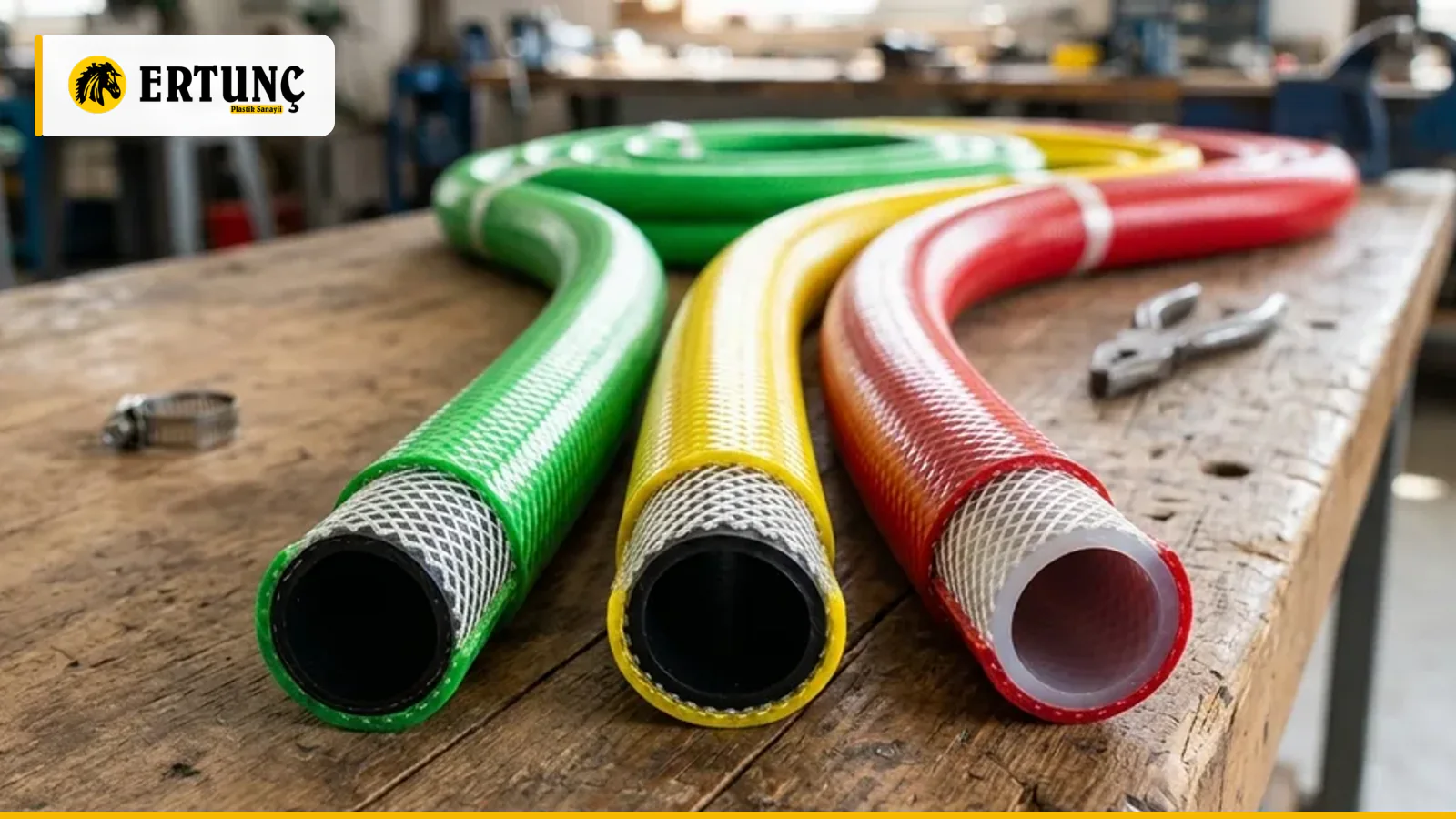
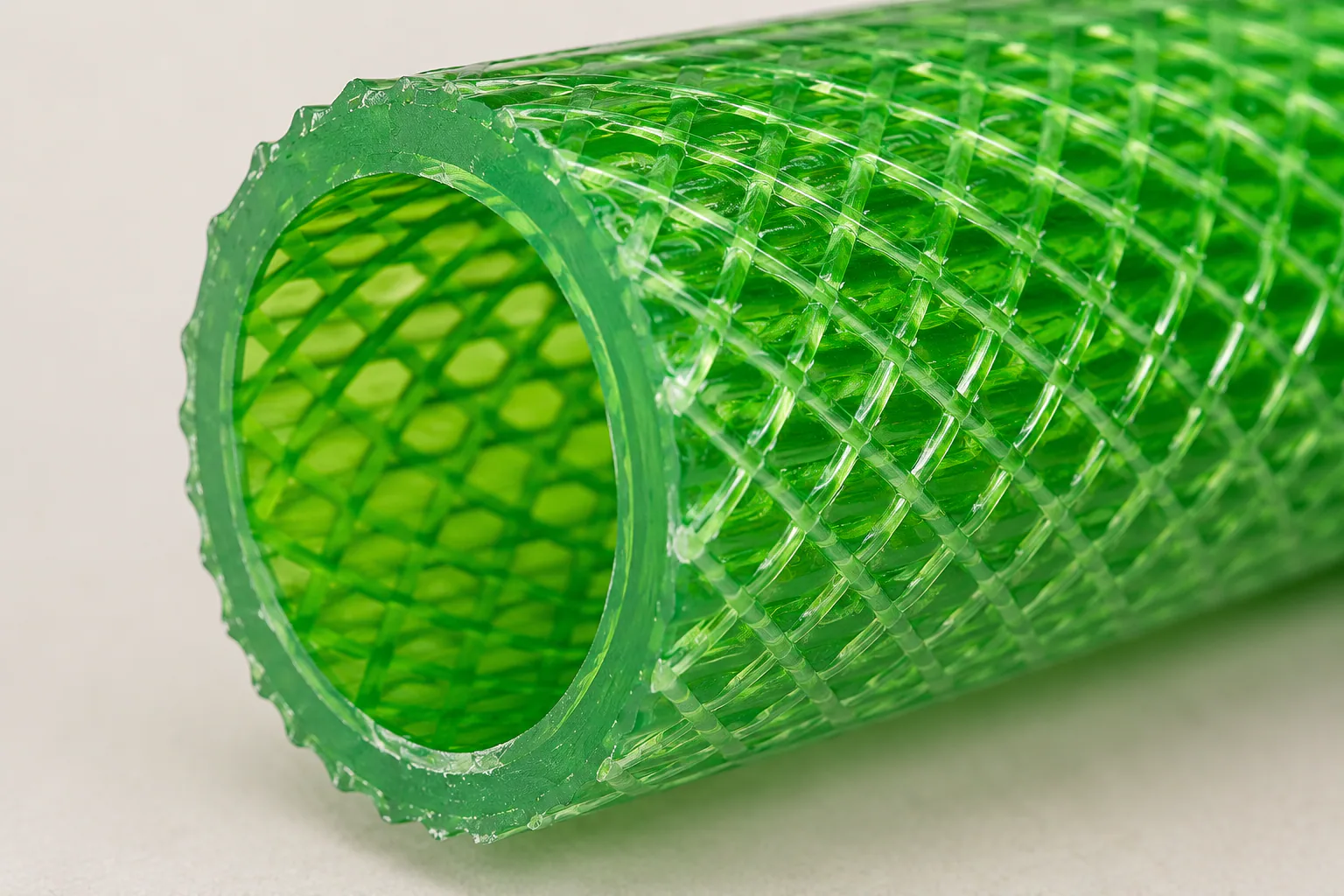
Braided reinforcement helps limit swelling and deformation under pressure. Thermo-rubber constructions may be selected for flexibility at low temperatures and ease of handling; make the final choice using the product specification.
What information determines a wholesale garden hose price?›
The model, inside diameter, layers and reinforcement, weight per metre, total length or coil quantity, colour, fittings and delivery terms determine the quotation.
How do 1/2″, 5/8″, 3/4″ and 1″ garden hoses differ?›
These are nominal inch sizes; confirm the actual inside diameter and connection compatibility for the product series. A larger diameter does not always give a better result: consider flow rate, run length and existing equipment together.
How do I choose between a 25, 50 or 100 metre garden hose?›
Measure the required route, allow for bends and connections, and avoid unnecessary extra length. Continuous coil length, the number of joints, storage and transport also affect the choice.
How are garden hose pressure and flow assessed?›
Consider the supply or pump pressure, run length, diameter, elevation change, number of fittings and outlets operating together. Measuring pressure at the tap alone may not reveal losses along a long run.
How do I check compatibility with a tap, connector and spray gun?›
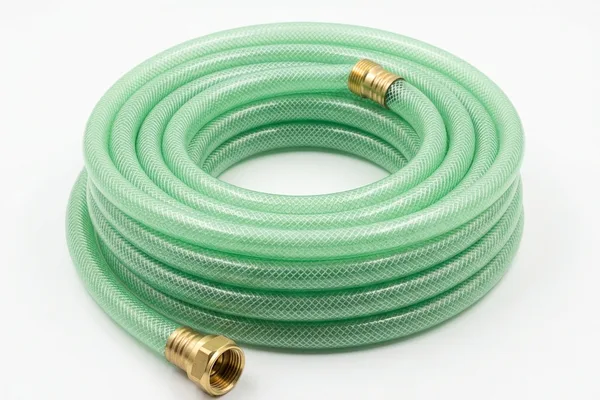
Match the hose's actual inside diameter to the connector's specified hose size; also check spray gun and reel connections. Parts of the wrong diameter can leak or restrict flow even if they seem tight.
Why do reinforcement, layers and weight per metre matter?›
The layers and reinforcement can affect behaviour under pressure, while weight per metre can influence wall construction and handling. Compare these values alongside the size and grade within the same product family.
How should a garden hose be stored in sun and winter conditions?›
Check the product's current UV and temperature specification. Release pressure when the hose is not in use, and store it away from sharp surfaces in a shaded place with a low risk of freezing.
Why can algae or odours develop inside a garden hose?›
Standing water, sunlight, high temperatures, a contaminated supply and long periods without use can encourage odours or biofilm. Drain the hose after use and confirm that the product is suitable for its intended application.
Why does a garden hose kink and restrict the flow?›
Sharp bends, winding direction, crushing, low temperatures or an unsuitable diameter can reduce the flow area. Check the route, permitted bending and connection points.
What pressure can a braided garden hose operate at?›
Working pressure depends on the product series and current specification. Do not assume a single pressure rating without considering pressure surges, temperature and fittings.
Can a garden hose be used on a reel?›
The reel diameter must suit the hose's actual outside diameter and bending behaviour. Tight winding, sharp bends and leaving a wound hose pressurised can strain the hose wall.
How should I compare a garden hose price per metre with a coil price?›
Consider the metre price, total length, coil length, fittings, cutting allowance and delivery. Products with different weights or layer constructions should not be compared by price alone.
What details are needed for a wholesale garden hose quotation?›
Provide the diameter, series, colour, total metres or number of coils, application, connection equipment, delivery city, required date and any sample requirements.
What is the difference between 1″ and 1/2″ garden hose?›
These indicate nominal hose inside diameters. Under the same conditions, a wider bore can reduce friction loss; the correct choice depends on source flow, run length and connections. See the hose size guide. Related technical guide
Why is the flow weaker through a 50 metre hose?›
Friction loss increases with length; a narrow bore, kinks and small connectors can increase it further. First check the actual tap flow and connections. Compare diameters within the same series; a larger hose cannot increase the supply source's capacity.
How do I calculate a 25, 50 or 100 metre coil price from a metre price?›
Multiply the confirmed metre price by the required length for the same series and diameter. Check VAT, delivery, cutting and coil length separately in the quotation. These lengths are calculation examples, not confirmation that every model is stocked in them.
Why can a garden hose detach from the tap?›
An incorrect hose-tail or connector size, a loose or unsuitable clamp and sudden pressure changes can separate the connection. Choose parts that match the hose inside diameter and tap thread; do not test a damaged connection under pressure.


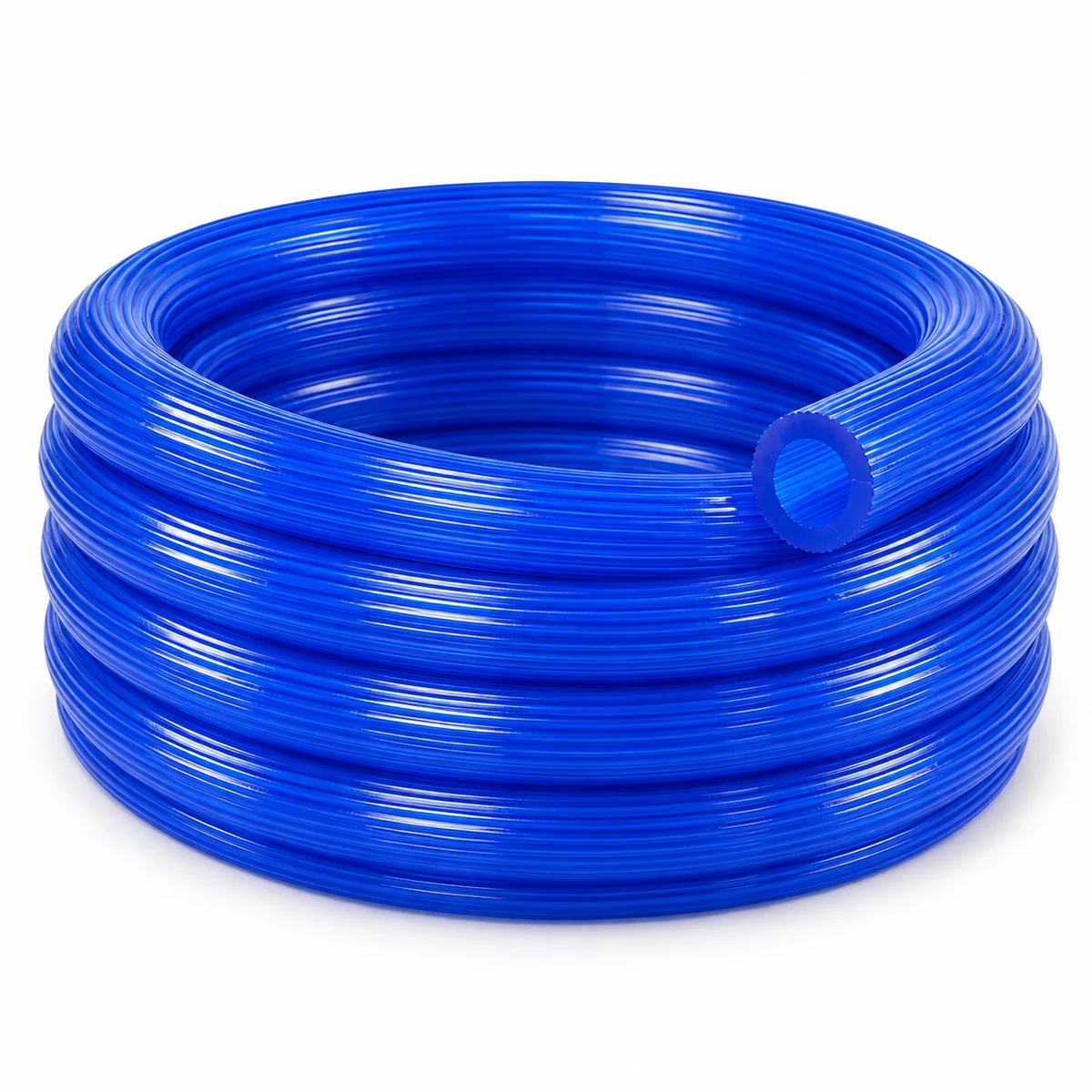
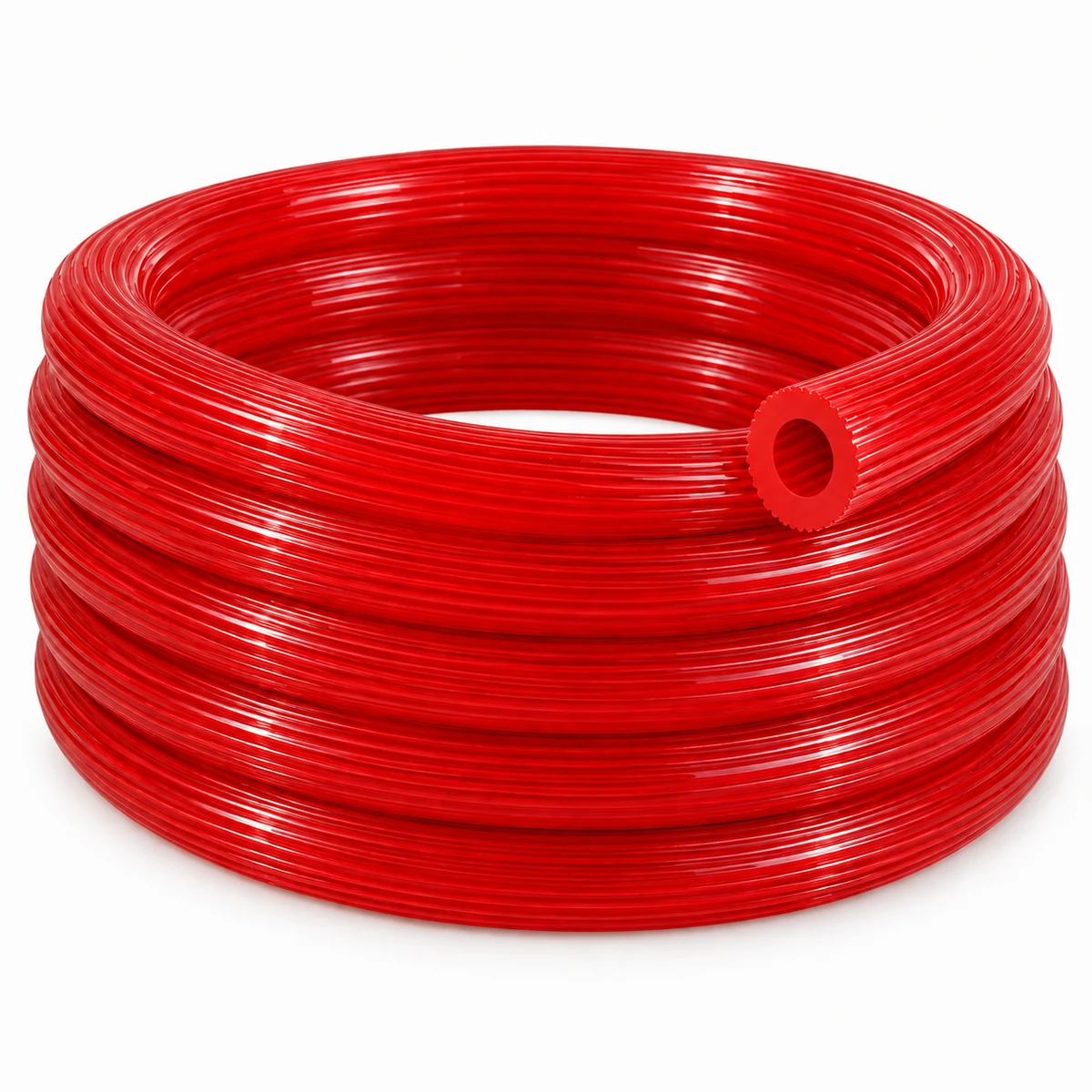
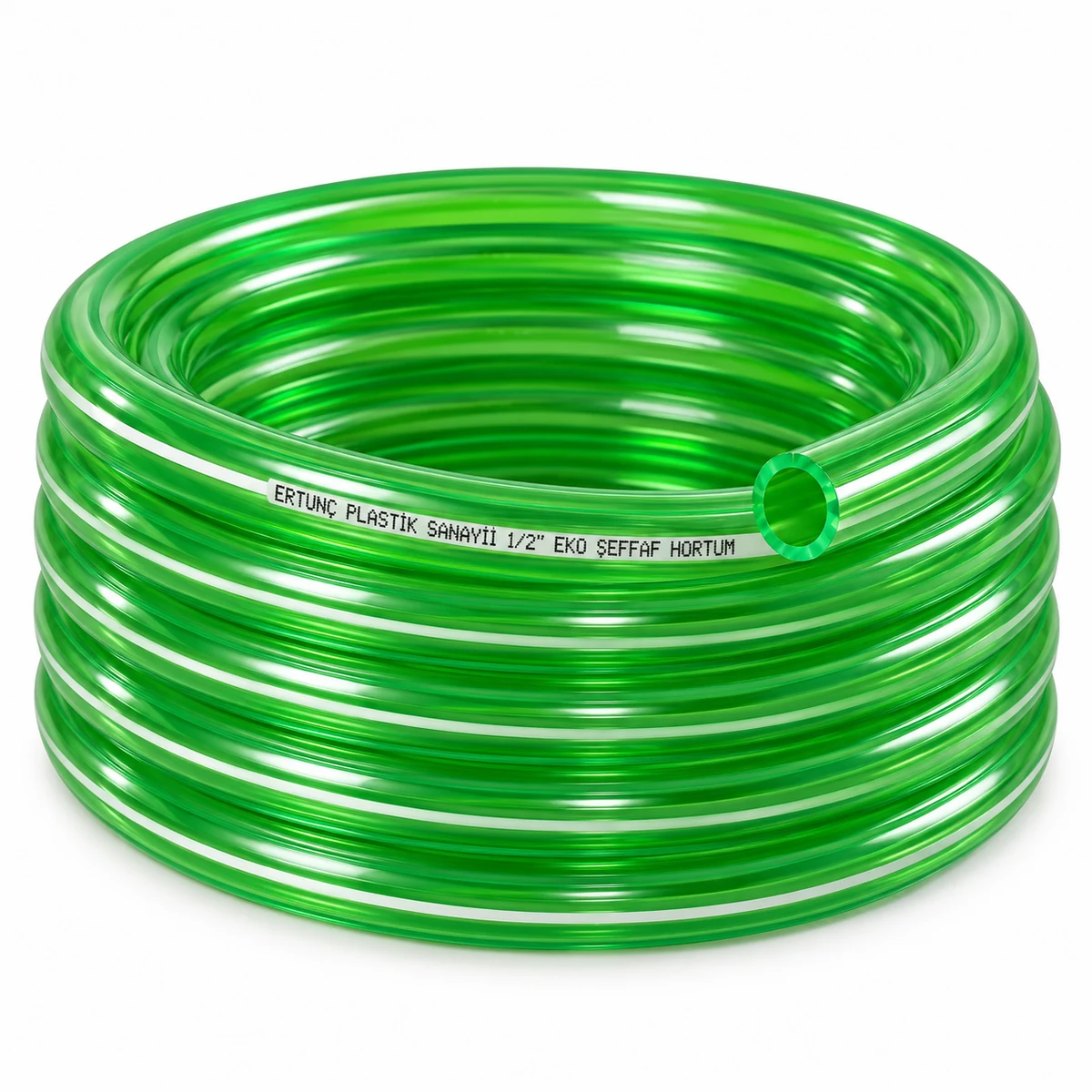
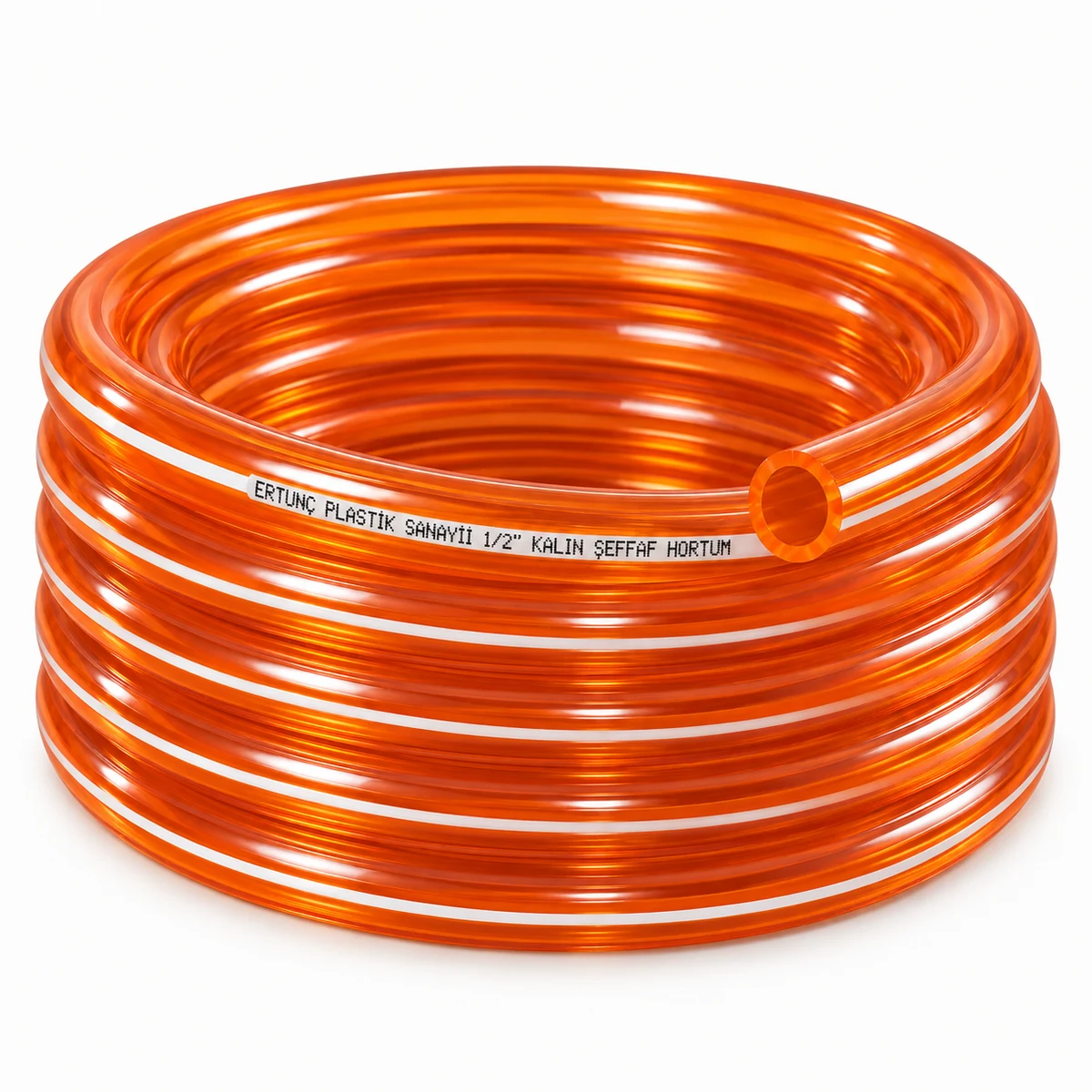


 Guide
Guide