Why Does an AC Condensate Drain Hose Smell? 9 Causes and Solutions
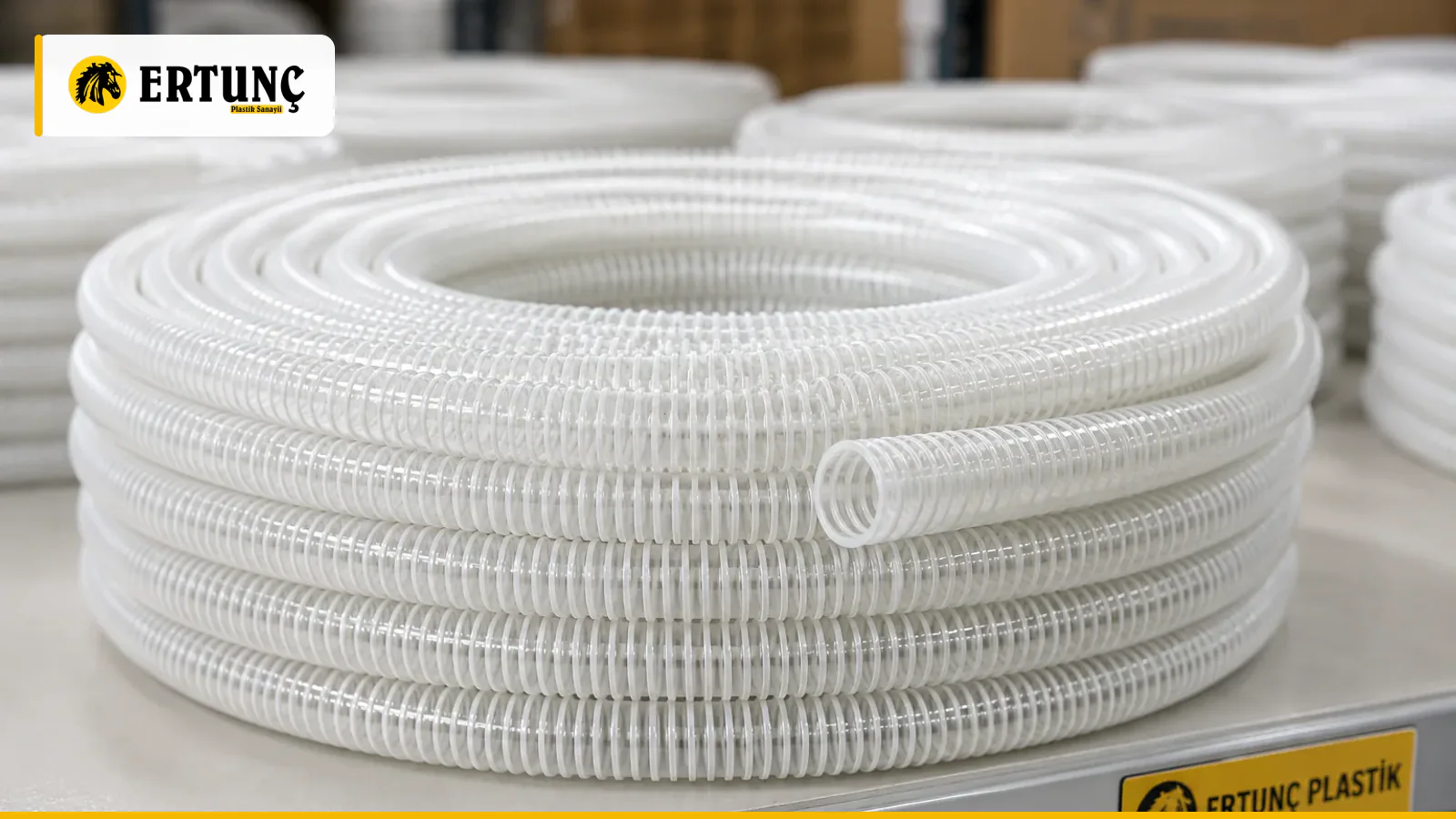
The bad smell that spreads into the room when the air conditioner is running does not always mean gas leakage. Condensation pan, drain hose, reverse slope, dry trap, sewer connection or filter contamination may cause similar complaints. Pouring chemicals into the hose without properly separating the odor source may aggravate the problem and damage the device.
Explore the relevant options: AC Condensate Drain Hose: Slope and Extension Guide · Review the AC drain product and size
How to tell if the smell is coming from the drain line?
If the odor only starts during cooling, becomes evident on the drain side of the indoor unit, or is also felt at the external drain end, the drain line is checked. However, dirty filter, fan, coil, moisture inside the wall or electrical malfunction can also cause odor. If there is a burning smell, smoke or abnormal sound, the device should be turned off and the authorized service should be called.
During inspection, the cover of the indoor unit should not be removed without authorization; Access to the drain pan should be done according to service procedure. AC condensate drain hose clogging guide helps distinguish signs of leaking water.
9 Causes of Odour in an AC Condensate Drain Hose
| Why | Typical symptom | Check |
|---|---|---|
| Waiting water | Damp, heavy odor | Reverse tilt and sag |
| Biofilm | Sour/musty odor | Inside pan and hose |
| Dry flush | Sewer smell | Siphon and connection type |
| Wrong drain connection | Constant sewer smell | Air gap and recoil |
| Blockage | Fragrance + water dripping | Outer tip and pan |
| Outer end closure | Uneven flow | Insects, mud, submersion in water |
| Crushed hose | Slow drain | Wall pass and clamp |
| Dirty filter/coil | Smell on blowing | Indoor unit maintenance |
| In-wall humidity | Smell even when the air conditioner is off | Leakage and building moisture |
Why is the siphon and sewer connection important?
When the drainage line is directly connected to the waste water installation, an appropriate system is required to prevent the returning gas from reaching the room. Improperly constructed or dried out flush may lose its odor barrier. In some devices and line layouts, air movement may also occur due to pressure difference.
Siphon size and connection type must be selected according to the device manufacturer's installation manual and local installation conditions. Making random U-bends can create water pockets, clogging and overflow. This section should be checked by a service or installation specialist.
How does reverse tilt and sag cause odor?
If the hose does not fall continuously from the indoor unit to the outdoor end, water may accumulate at the low point. This stagnant water increases the risk of biofilm and odor. Long horizontal or even inadequate support may cause sagging over time.
AC condensate drain hose slope and extension guide As explained, the line should be checked visually and with a water test. If an additional or rising section within the wall is questionable, it must be corrected before sealing the surface.
What can be done at home and when is service required?
User; can clean the filter according to the device manual, visually check that the external discharge tip is not blocked by mud or insects, and monitor the water flow. Compressed air, wire or intense chemicals should not be applied into the device.
If there is any suspicion of water coming from the indoor unit, moisture reaching the electrical section, recurring odor, invisible in-wall leakage or drain connection, the device should be turned off and the authorized service should be called. air conditioner drain drain hose If it is to change, the outlet size and outdoor condition must be verified.
New hose and assembly checklist
- Actual inner diameter suitable for device drain outlet
- Continuous downhill and crush-free route
- Accessible, leak-proof and flow-restricting insert
- UV and temperature suitability in outdoor environment
- Do not immerse or cover the outer end in water
- Controlled water test at the end of assembly
- Maintenance access and service registration
Related products, dimensions and technical guides
Frequently Asked Questions
Why Does the AC condensate drain hose Smell? 9 We answered the 18 question asked by the public on Google regarding the Cause and Solution with product and application details.
Why does a bad smell come out when the air conditioner is turned on?
Dirty filter/coil, condensate pan, drain biofilm, standing water or drain gas may cause odor. The resource must be separated by service control.
Does the AC condensate drain hose cause sewer smell?
Sewer gas may come back if the hose is incorrectly connected directly to the drain, if there is no trap, or if the trap is dry.
Do I need to flush the AC condensate drain hose?
It may be required depending on the drain connection and device pressure condition. Siphon size must be determined by the expert according to the device manual and installation conditions.
How to stop air conditioner drain smell?
First the source is found; reverse slope, blockage, dry flush and incorrect sewer connection are corrected. Perfume or chemicals are not a permanent solution.
How to clean the AC condensate drain hose?
The outer end can be inspected by eye; Indoor unit and line cleaning must be done by the service according to the device manufacturer's maintenance instructions.
Can bleach be poured into the air conditioner hose?
It should not be spilled unless the authorized service or manufacturer recommends it. Concentrated chemicals can damage the hose, pan, connections and indoor air.
Why does the AC condensate drain hose accumulate water?
Reverse tilt, sagging, crushing, blockage, or elevation of the outer end may result in water accumulation.
What causes the bubbling sound when the air conditioner is operating?
Bubbling can be caused by air movement in the drain line, blockage, improper flushing, or outside air pressure. Service check required.
What is the problem if there is a smell even when the air conditioner is turned off?
It may be odor caused by drain gas, moisture inside the wall or the environment. Drainage connection and building humidity should be checked separately.
How many mm should the AC condensate drain hose be?
It is verified based on the device output. 5/8" and different sizes are seen on the market; random narrowing should not be done with the adapter.
Will the AC condensate drain hose deteriorate outside in the sun?
Material not intended for outdoor use can harden under UV exposure and temperature changes. Verify that the product is suitable for outdoor conditions.
Why does water back up in an AC condensate drain?
Incorrect drain connection, blockage, insufficient slope or pressure change in the common line may cause backlash.
What to do if the air conditioner leaks water and creates a smell?
Turn off the device, protect the electrical part from water and call authorized service. Opening the outer end alone may not solve the internal fault.
Is the drain hose attached to the wall?
It is preferable for the attachment to be accessible due to the risk of leakage. Mandatory attachment must be made with parts and seals suitable for the manufacturer.
How many years does it take to replace the AC condensate drain hose?
There is no fixed duration. It must be renewed in case of hardening, cracks, crushing, permanent blockage, leakage or UV damage.
What happens if the external discharge end of the air conditioner enters water?
If the tip is submerged, back pressure and irregular discharge may occur. The tip must be open, protected and in a position where flow is not obstructed.
Is the smell of air conditioning harmful to health?
Intense odor of unknown origin, mold or burning smell should not be ignored. The device should be turned off and the authorized service should be contacted.
What to ask when buying air conditioning service rolls?
Actual size, roll length, UV/outdoor suitability, connection compatibility, packaging and batch information must be requested in writing.
Related Products and Sizes
Jump directly to the relevant product family, measurement sheets and complementary technical guides.
Let's Choose the Right Product Together
Share application, diameter, length and delivery information.